March 21, 2026
Hello,
Aidan is a thoughtful reader—and he is trying to teach me to be one as well. I’ve always been insatiable, gobbling up every book and rarely thinking beyond the next page turn.
He sees the big picture—always going on about themes and what the book is arguing—while I’m mostly thinking, yes, yes, but what happens next?
He just re-read Loftiest Intelligence to refresh all the detailed lore and keep it straight in his head as he wraps up the outline for Book 2: Strangest Intelligence and he wanted to talk about it. I believe his brain works best when he’s talking.
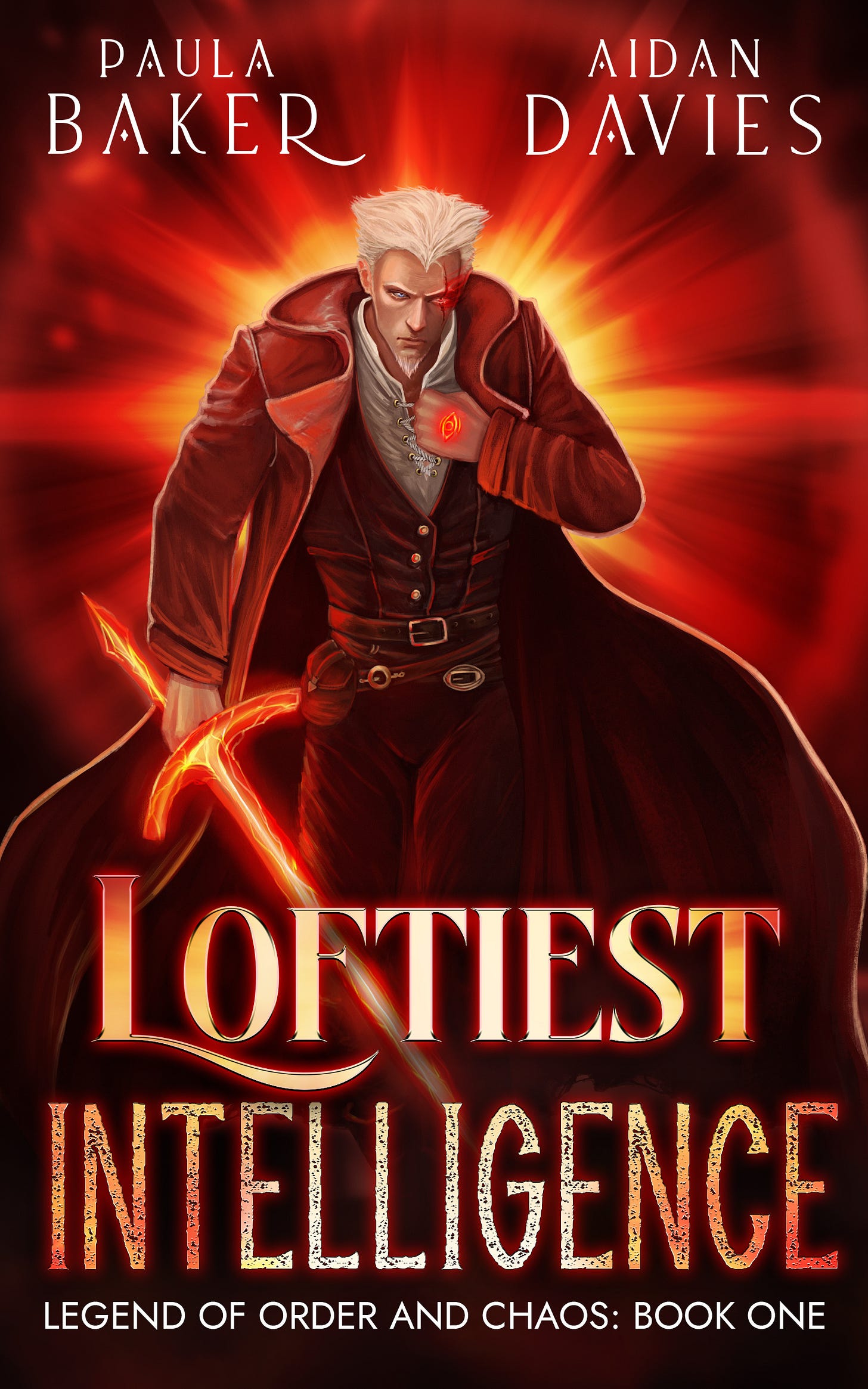
Each time we stopped for me to catch my breath on the ski hill, he continued his lecture on Loftiest’s central themes. I am going to attempt to recreate each argument here over the next few weeks in the hope that writing it for you it will force me to examine his theses more closely.
We’ll start with an idea that has fascinated him since he was very young.
Power without guidance is dangerous—not because power itself is evil, but because intention and restraint matter more than raw ability.
Ellie is extraordinarily talented, particularly with dark-magic, yet she is largely self‑taught. Her early experiments cause real harm, not out of malice, but out of isolation and lack of mentorship. Over and over again, the story shows what happens when power is left to grow in the dark: injured innocents, witch‑hunts, darklings, warlocks addicted to crystals, and entire villages destroyed.
The novel keeps circling the same uncomfortable questions:
Who is responsible when power goes wrong?
Aidan explained that he wants the reader to consider: Is it the individual who makes the mistake—or the system that failed to teach them how not to? (In the meantime, when he asks his rhetorical questions, I go with the obvious answer: It’s all Vallus’s fault.)
And what happens when fear becomes policy?
By setting up the opposing forces of Chaos and Order—and giving them a twist—Aidan wanted to examine what happens when people are faced with choices. Banning power doesn’t make it disappear; it just ensures that it surfaces sideways, distorted, and far more dangerous than it ever needed to be.
This is a good exercise for me. Aidan’s right. (Though I hate to admit it.) Stories aren’t just entertainment. They’re thought experiments. They’re places where we work out our fears about power, responsibility, and what happens when we pretend problems can be solved by pretending they don’t exist.
So this week, I’m trying to slow down. I want to read with purpose—to notice the questions under the action.
Because apparently, even after a lifetime of reading, I’m still learning how to read better—and I’m oddly grateful to be taught by my own son.
Check out the video I made this week. It features a clip from the audio book of Rebels of Halklyen with voice artist, Margie Nazaroff. Take a listen, like, comment, and subscribe.

I wish you a happy week of thoughtful reading.
Warm regards,
Paula Baker (and Aidan Davies)
P.S. Need some book ideas?
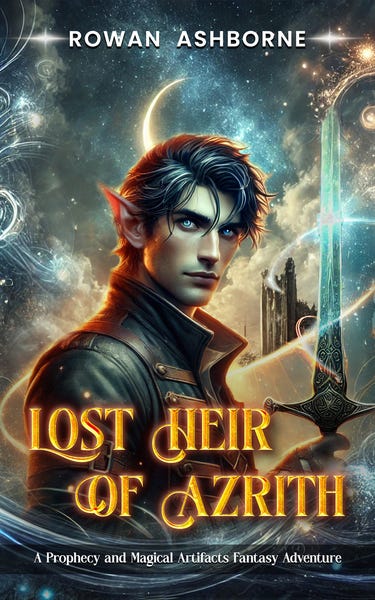
Lost to the sea, bound by prophecy. Can a storm-tossed prince and a rogue assassin rewrite destiny?
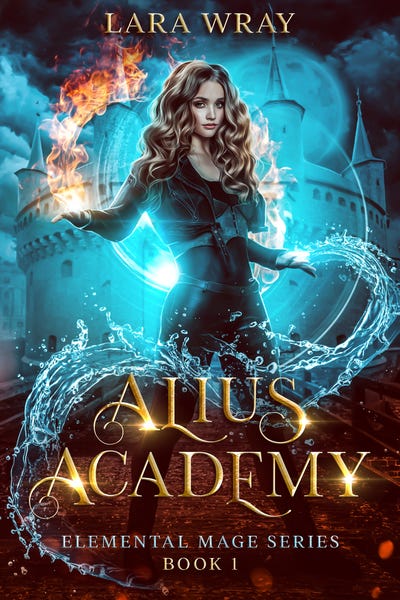
Thrust into a world of magic, monsters, aliens and secrets, Lori’s in way over her head. And now she must pass a series of treacherous trials… or die trying. Check out Lara Wray’s Alius Academy.
Plus, check out The Darkling Collective to pick up some FREE dark reads.